
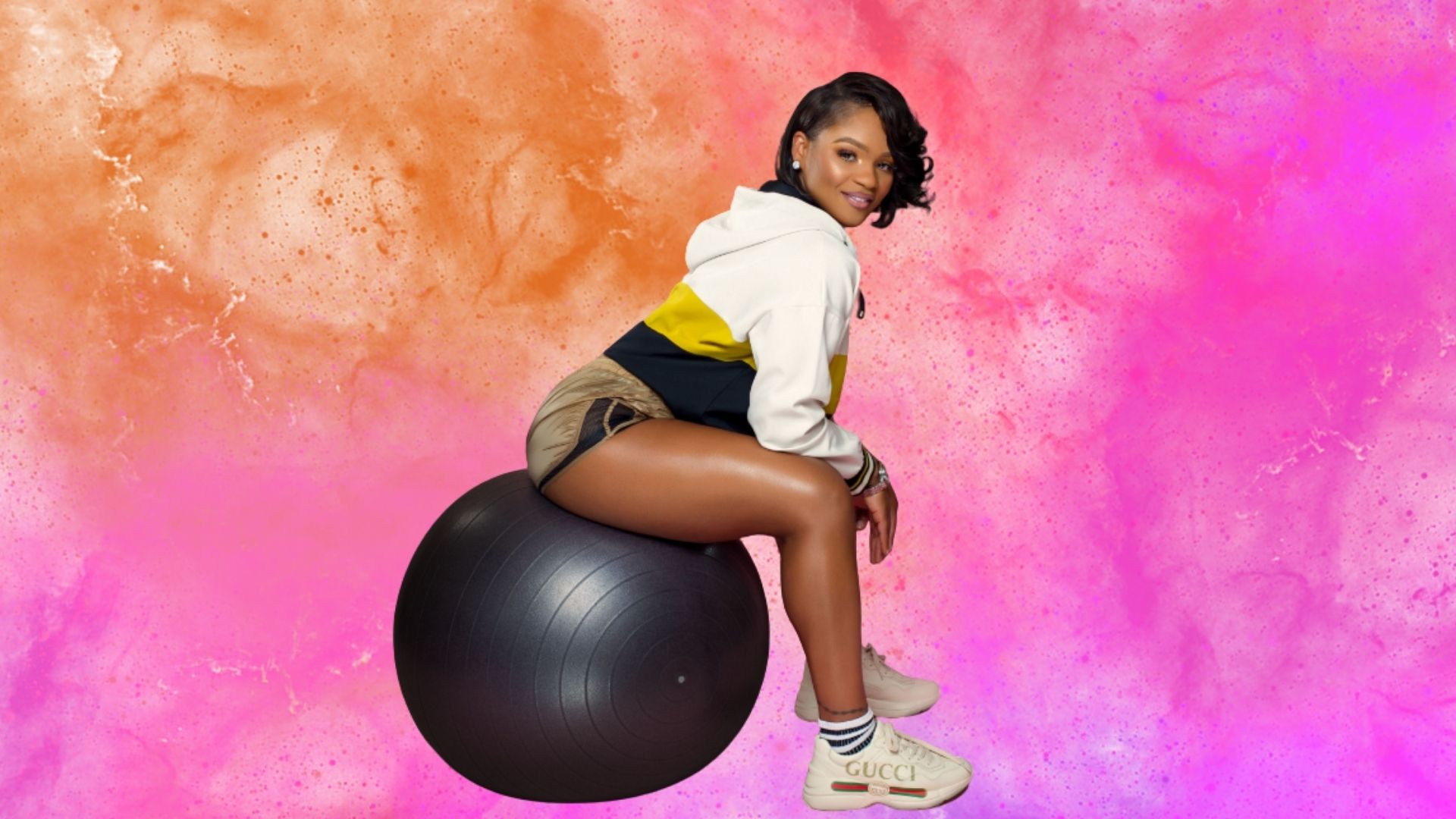
Wellness isn’t about the scale, and it’s time to leave diet culture out of the conversation. Today, more people are redefining what it means to care for their bodies and shifting the focus from restriction and aesthetics to mobility, strength, and overall well-being. As life evolves, so do our bodies, whether that’s through aging, recovering from surgery, or navigating the postpartum journey.
In this Q&A, a wellness instructor, Tamika Harden, shares practical, approachable ways to stay connected to your body through every stage of life. From gentle movement to rebuilding strength and maintaining flexibility, her approach centers on moving with intention, listening to your body, and creating routines that feel supportive rather than stressful. Because true wellness isn’t about doing the most and it’s about doing what feels good, sustainable, and aligned with your life.
Meet Tamika Harden
Over the years, Tamika Harden has built a thriving coaching business serving clients both in-person and virtually, while expanding her impact through youth wellness initiatives and community outreach. Beyond fitness, Tamika is a systems-driven entrepreneur building ventures in health, staffing, and community rehabilitation services, with a mission to create opportunities and support for family navigating support services. Through her work, Tamika hopes to inspire others, especially first generation entrepreneurs, to transform adversity into purpose, build sustainable businesses, and create lasting impact in their communities.
Movement looks different for everyone. How can people reconnect with the joy of
moving their bodies, no matter their fitness level?
Reconnecting with movement starts with removing pressure. It’s not about intensity—it’s about
how it feels. I always encourage people to ask, “How can I hone my body today?” That could be
stretching, walking, dancing, or even just breathing and moving gently. When you shift from
punishment to intention and self-improvement, movement becomes something you want to do,
not something you have to do.
After surgery or a medical procedure, what are some gentle ways people can safely
start moving again?
Start slow and always follow your doctor’s guidance. Gentle movement like short walks, deep
breathing, and light mobility exercises can help reintroduce movement safely. The goal early on
is circulation and connection—not intensity. Even small movements can support healing and
help you regain confidence in your body.
What are some low-impact movements that help rebuild strength and confidence after
pregnancy or surgery?
Low-impact strength work is key—things like bodyweight exercises, resistance bands, seated
movements, and controlled core activation. Walking is also incredibly powerful. These
movements help rebuild stability, support your joints, and allow you to reconnect with your body
at your own pace.
Why is maintaining flexibility such an important part of feeling good in our bodies as
we move through life?
Flexibility supports how we move, how we feel, and how we function daily. It reduces stiffness,
improves posture, and helps prevent discomfort. When your body moves more freely, everyday
tasks feel easier—and that contributes to an overall sense of well-being.
For people who feel stiff from working at a desk or being on their phone all day, what
are some simple stretches that can help restore mobility?
Focus on opening up areas that get tight—your neck, shoulders, hips, and hamstrings. Simple
movements like neck rolls, shoulder stretches, chest openers, seated forward folds, and hip
flexor stretches can make a big difference. Even taking 5 minutes a few times a day can help
reset your body.
How can people protect and maintain their range of motion as they move through their
30s, 40s, and beyond?
Consistency is everything. Incorporating regular stretching, mobility work, and low-impact
strength training helps maintain joint health. It’s less about doing more and more about doing a
little consistently—moving your body daily in ways that support longevity.
What role does stretching play in preventing injuries and supporting everyday
movement?
Stretching helps keep muscles flexible and joints moving properly, which reduces strain and
imbalance. When your body moves the way it’s designed to, you’re less likely to compensate or
overload certain areas—this helps prevent injuries and supports smoother, more efficient
movement.
What are some easy, low-impact ways to stay active on days when your body needs
something gentler?
Walking, stretching, yoga, mobility flows, or even light cycling are great options. These keep
your body moving without adding stress. Gentle days are not setbacks—they’re part of a
balanced routine and help your body recover and stay consistent.
How can someone create a movement routine that feels fun, modern, and sustainable
rather than strict or intimidating?
Make it personal. Choose movements you enjoy and mix things up—music, outdoor walks,
group classes, or quick home workouts. Remove the “all or nothing” mindset and focus on
flexibility in your routine. When it fits your lifestyle, it becomes sustainable.
For someone recovering from surgery, what are some signs their body is ready to
increase movement gradually?
You’ll notice less pain, improved energy, and better control in your movements. If you’re able to
move without discomfort and recover well afterward, those are good signs. Always increase
gradually and listen to your body—it will tell you when it’s ready.
What are some everyday habits that help keep joints healthy and mobile over time?
Stay hydrated, move regularly, stretch often, and avoid staying in one position for too long.
Small habits like standing up throughout the day, walking more, and incorporating mobility
exercises go a long way in keeping your joints healthy.
How can people build strength and flexibility at the same time, especially if they
prefer low-impact workouts?
Incorporate controlled strength training with full range of motion—like slow squats, lunges, and
resistance band work. Pair that with stretching or mobility flows. Practices like yoga or Pilates
are also great because they naturally combine strength and flexibility.
What types of movement help improve balance, coordination, and overall body
awareness?
Movements that challenge stability—like single-leg exercises, slow controlled strength work,
yoga, and Pilates—are great for improving balance and coordination. These also help you
become more connected to how your body moves.
Why is it important to view movement as self-care rather than a chore, especially in
today’s busy world?
When you see movement as self-care, it becomes something that supports you rather than
something that drains you. It’s a way to reduce stress, boost energy, and take care of your
mental and physical health. That shift in mindset makes it easier to stay consistent.
What advice would you give someone who wants to embrace movement in a way that
feels empowering, joyful, and supportive of their body?
Start where you are and honor your body. You don’t need to do the most—you just need to do
something that feels good. Let go of comparison and focus on how movement makes you feel.
When you approach it with compassion and consistency, it becomes empowering and
something you truly enjoy.
Welcome to Plurvy Life. We are excited to welcome you to this group of Baddies. Let’s chat fashion, self-love. body positivity and work on ending body shaming as a group. Please send pitches to [email protected]. Collectively with our sister brands, our slogan is all your tiny obsessions. At Plurvy Life, our obsession is all things plus and curvy. FYI, PaSH Magazine, ExploreGeorgiaNow, GlowNoire, SocailVine and Red PaSH are our sister publications. Our sister brands are: Curvy Girls Rock, AYTO, PaSH Publishing and Plurvy. Please note that we sometimes use affiliate links. If you purchase anything from a link we have provided, we may receive a small commission. This money is used to help support our efforts at PaSH Inc.