
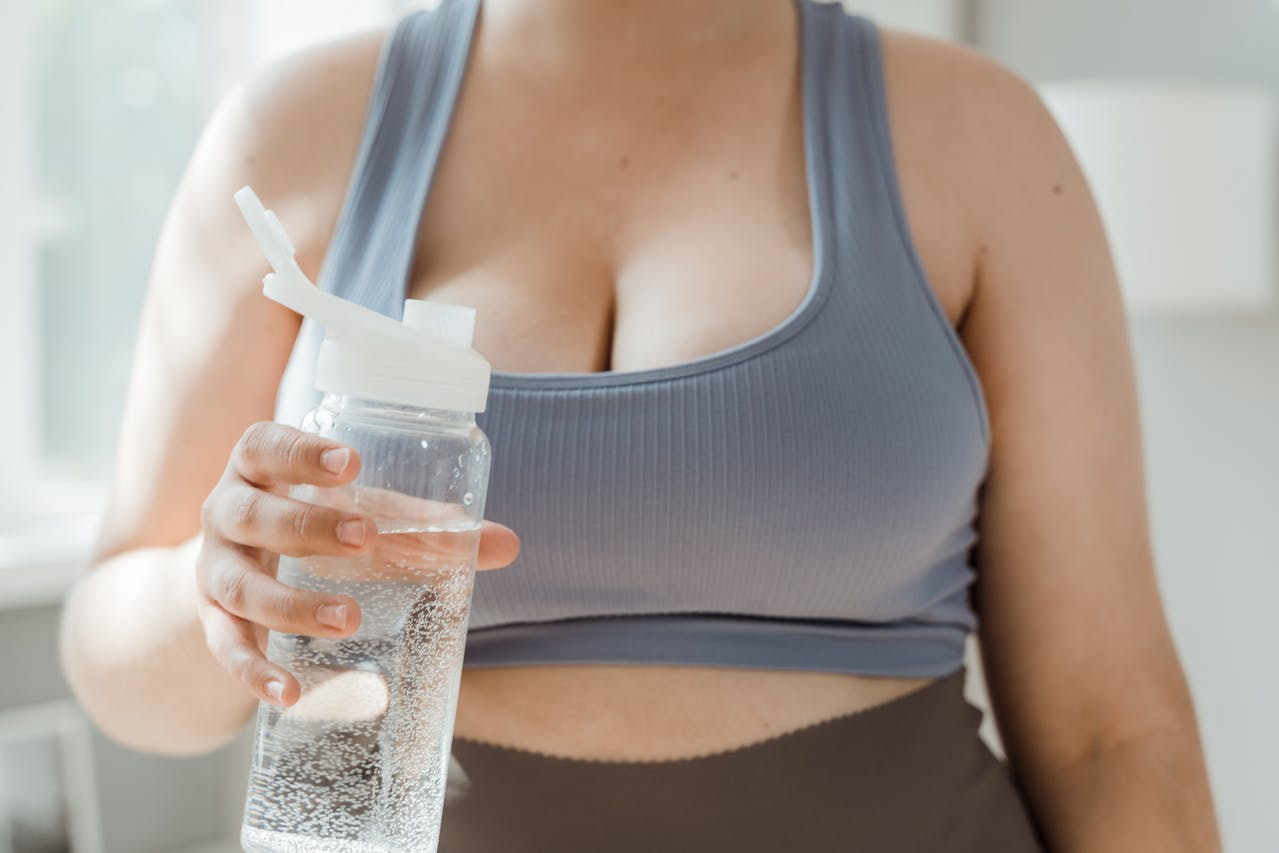
Self-care is often framed as something indulgent: a quiet morning, a skincare routine, a workout class, a mental health day. While those practices matter, many of us overlook one of the most basic, powerful forms of self-care available to us at all times, hydration.
According to an article in Mayo Clinic, water makes up about 50% to 65% of your body weight.
Before burnout, before irritability, before mental fatigue, before the afternoon crash or the headache that creeps in without warning, there’s often a quieter signal the body sends first. Thirst.
We tend to associate dehydration with extreme scenarios: heat exhaustion, intense workouts, or long days in the sun. But mild, chronic dehydration is far more common and far more disruptive than most people realize. It doesn’t announce itself dramatically. Instead, it shows up as fatigue, brain fog, mood changes, cravings, poor concentration, and that vague sense of feeling “off.”
In other words, the symptoms many of us try to solve with coffee, sugar, supplements, or motivation might simply be our bodies asking for water!
Hydration Is Foundational, Not Optional
The human body is made up of more than 50 percent water. Every major system: circulation, digestion, temperature regulation, joint lubrication, cognitive function, depends on adequate hydration to operate properly. When the body lacks water, it doesn’t shut down immediately. It adapts. And adaptation often looks like discomfort we normalize. According to an article in Vogue, hydration impacts your health, your skin, your hair and even your bones.
We push through headaches. Our low energy is accepted as part of adulthood. We assume irritability is stress. Our poor focus is labeled poor as a lack of discipline. Rarely do we pause to ask the simplest question: Have I had enough water today?
Self-care isn’t always about adding something new. Sometimes it’s about meeting a basic need consistently.
The Connection Between Hydration and Mental Health
Hydration doesn’t just affect the body, it directly influences the mind. Even mild dehydration has been linked to changes in mood, increased feelings of anxiety, and difficulty concentrating. When the brain lacks adequate fluid, it works harder to perform the same tasks, leading to mental fatigue and emotional reactivity.
This is especially important in conversations about stress and burnout. When you’re overwhelmed, hydration often drops to the bottom of the priority list. Meals become irregular. Water intake becomes reactive instead of intentional. The nervous system stays activated longer, and the body struggles to regulate itself.
Drinking water may not solve everything, but it creates the conditions for regulation. It supports clarity, steadiness, and resilience key components of real self-care.
Why We Ignore Thirst Signals
Part of the issue is cultural. Productivity culture rewards override. We’re praised for pushing through discomfort, delaying breaks, and prioritizing output over bodily cues. Thirst becomes an inconvenience instead of information.
Another factor is substitution. Many people replace water with caffeine, sweetened beverages, or flavored drinks that don’t fully hydrate the body. Others wait until they feel intensely thirsty, not realizing that thirst is often a late signal of dehydration rather than an early one.
Over time, ignoring thirst becomes habitual. The body stops signaling as clearly, and dehydration becomes the default state rather than the exception.
Hydration as an Act of Self-Respect
Reframing hydration as self-care means seeing it as an act of respect rather than discipline. You’re not drinking water because you “should.” You’re drinking water because your body deserves to function without unnecessary strain.
This mindset shift matters. When hydration is tied to punishment or perfection, it becomes another task to fail. When it’s tied to care, it becomes supportive rather than demanding.
Self-care doesn’t need to be aesthetic. It doesn’t need to be optimized. It needs to be consistent.
Making Hydration Sustainable
Hydration doesn’t require perfection or strict rules. It requires awareness and support. Simple habits make a difference:
- Drinking a glass of water upon waking
- Pairing water with meals
- Keeping water visible and accessible
- Sipping consistently instead of chugging infrequently
- Noticing how energy, focus, and mood respond
For some people, adding electrolytes or minerals can help, especially if they’re active or prone to headaches. For others, plain water is enough. The key is not comparison, it’s responsiveness.
Hydration should adapt to your body, your environment, and your lifestyle.
Listening Before Escalating
We often escalate solutions before addressing basics. We reach for productivity hacks before rest. Supplements before nourishment. Motivation before regulation.
Hydration asks us to slow down and listen. To respond before the body has to raise its voice.
If you’re feeling tired, foggy, irritable, or disconnected, pause before judging yourself. Ask a gentler question: When was the last time I had water?
Self-care doesn’t always look like a break from life. Sometimes it looks like tending to the body while you’re still in it.
So if today feels harder than it needs to be, consider this: you might not be unmotivated, undisciplined, or overwhelmed.
You might just be thirsty.
This is not medical advice and all important health questions should be saved for your health care provider.
Welcome to Plurvy Life. We are excited to welcome you to this group of Baddies. Let’s chat fashion, self-love. body positivity and work on ending body shaming as a group. Please send pitches to [email protected]. Collectively with our sister brands, our slogan is all your tiny obsessions. At Plurvy Life, our obsession is all things plus and curvy. FYI, PaSH Magazine, ExploreGeorgiaNow, GlowNoire, SocailVine and Red PaSH are our sister publications. Our sister brands are: Curvy Girls Rock, AYTO, PaSH Publishing and Plurvy. Please note that we sometimes use affiliate links. If you purchase anything from a link we have provided, we may receive a small commission. This money is used to help support our efforts at PaSH Inc.